Introduction↑
Background
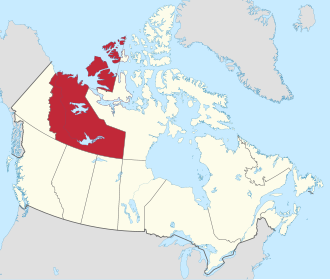
The Northwest Territories (NWT) is a vast, awe-inspiring territory occupying much of northern Canada. Known for its incredible expanse of wilderness, majestic waterfalls, deep lakes, and dazzling displays of the Northern Lights, it spans an enormous geographical area bordering the Arctic Ocean. The capital and largest community is Yellowknife, famously known as the diamond capital of North America.
Geography↑
Land and Water
The landscape of the Northwest Territories is exceptionally diverse, ranging from the thick boreal forests of the south to the treeless Arctic tundra and polar islands in the north. It features some of the largest bodies of fresh water on the continent, including Great Bear Lake and Great Slave Lake (the deepest lake in North America), as well as the mighty Mackenzie River flowing toward the Arctic.
Location: Northern Canada
Geographic coordinates: 60°00′ N to 78°18′ N, 102°00′ W to 136°00′ W
Area: total: 519,734 sq mi (1,346,106 km2) | land: 442,053 sq mi (1,144,918 km2) | water: 77,681 sq mi (201,188 km2) | coastline: c. 3,790 miles (Arctic Ocean)
Bordering Regions: Yukon, Nunavut, British Columbia, Alberta, Saskatchewan
Elevation extremes: lowest point: Arctic Ocean sea level (0 ft) | highest point: Mount Nirvana at 9,062 ft (2,762 m)
Population↑
Demographics
Population: 44,480 (2026 estimate)
Largest City: Yellowknife: 20,400 (2026)
Age structure: 0-14 years: ~20.2% | 15-64 years: ~68.1% | 65 years and over: ~11.7% | Male: 51.2% | Female: 48.8%
Population growth rate: ~0.4% annually
Population density: 0.10 per sq mi (0.04 per sq km)
History↑
Indigenous Stewardship and Fur Trade
For thousands of years, the Northwest Territories has been the traditional homeland of diverse Indigenous peoples, including the Dene, Inuit, and Métis nations. In the late 18th century, European explorers like Alexander Mackenzie navigated the great river systems, establishing fur trading posts. Originally encompassing most of northern and western Canada, the territory was gradually subdivided over time to form new provinces and territories.
Economy↑
Mining and Natural Resources
The economy of the Northwest Territories is heavily anchored by resource extraction, particularly world-class diamond mines discovered in the 1990s, alongside deposits of gold, tungsten, oil, and natural gas. Traditional harvesting activities like fishing and trapping remain culturally and economically important, while tourism thrives due to outdoor adventures and winter aurora viewing.
Fun Facts↑
Did You Know?
Aurora Capital: Yellowknife is widely considered one of the best places on Earth to view the Aurora Borealis (Northern Lights) due to its clear skies and location right under the auroral oval.
Deep Waters: Great Slave Lake in the NWT reaches a depth of 2,015 feet (614 meters), making it the deepest body of water in all of North America.
Official Languages: Reflecting its rich cultural diversity, the Northwest Territories recognizes 11 official languages, including English, French, and several Indigenous Dene and Inuit languages.